An ITSM technical writer career roadmap typically starts with foundational technical writing skills and a basic understanding of IT Service Management (ITSM) practices, progressing to deeper expertise in specific ITSM tools and processes, eventually leading to leadership roles managing documentation strategies or specializing in complex ITSM domains like incident management or service desk operations.
Entry Level:
Technical Writer with ITSM Basics:
- Gain a strong foundation in technical writing principles, including clear and concise language, audience awareness, and information organization.
- Develop a working knowledge of key ITSM concepts like service catalog, incident management, problem management, change management, and knowledge base.
- Familiarize yourself with common ITSM tools (e.g., ServiceNow, BMC Remedy) through basic user training.
- Create entry-level ITSM documentation like user guides, quick reference guides, FAQs, and knowledge base articles.
Mid-Level:
ITSM Technical Writer:
- Deepen your understanding of specific ITSM processes and workflows within a chosen area (e.g., incident management, service desk operations, change management).
- Collaborate closely with ITSM subject matter experts (SMEs) to gather technical information and ensure accuracy of documentation.
- Develop advanced technical writing skills, including creating detailed procedures, process diagrams, and flowcharts.
- Gain proficiency in technical documentation tools (e.g., MadCap Flare, Adobe FrameMaker) to design and manage complex documentation sets.
Senior Level:
Lead ITSM Technical Writer/Documentation Specialist:
- Lead documentation projects, overseeing the development and maintenance of comprehensive ITSM documentation suites.
- Manage a team of technical writers, assigning tasks and ensuring quality standards are met.
- Develop documentation strategies aligned with business objectives and user needs.
- Contribute to ITSM process improvement initiatives by identifying gaps in documentation and proposing solutions.
- Stay updated on industry trends and emerging ITSM technologies.
Specialization Options:
ITSM Tool Specialist:
Become an expert on a specific ITSM tool, such as ServiceNow, BMC Remedy, or Jira Service Desk, focusing on creating detailed user guides and training materials.
Compliance Documentation:
Focus on writing technical documentation for ITSM processes that adhere to compliance requirements (e.g., SOX, HIPAA, GDPR).
UX Writing for ITSM:
Develop expertise in user experience writing, crafting clear and intuitive in-product documentation for ITSM tools.
Key Skills to Develop:
Technical Skills:
- ITSM concepts and best practices
- Technical writing principles
- Documentation authoring tools
- Knowledge of specific ITSM tools
Soft Skills:
- Stakeholder management
- Collaboration skills
- Strong communication skills
- Critical thinking and problem-solving
- Project management
Career Progression:
- Obtain relevant certifications: ITIL Foundation, ServiceNow Certified Administrator, BMC Remedy Administrator
- Network with other ITSM professionals: Attend industry conferences and join online communities
- Continuously learn and adapt: Stay updated on emerging ITSM trends and technologies
- Seek opportunities for leadership roles: Take on project management responsibilities within documentation teams.
What Do Technical Writers Do?
Technical writers typically spend most of their time in an office setting as salaried employees. They typically write instruction manuals and other material in a style that will make technical information understandable in nontechnical terms. They also create, collect, and convey technical information among customers, designers, production staff, and manufacturers.
Technical writers’ employers usually require a bachelor’s degree in a technical field. Moreover, some experience with a technical topic, for example, engineering and computer science, is needed. These authors should be able to function in a team setting. They need to possess strong oral and written communication skills. Because technical writers write, edit, revise, and publish technical articles in terms that everyone can comprehend, they would first need to be able to understand the technicalities of what they write. They need to show exceptional skill in observing technical procedures and communicating the facts in an effective and concise manner. They need to be able to use Microsoft Office. They should also be ready to learn the specific software of their company. Technical writers should be able to perform well under pressure in order to meet deadlines.
They should also be motivated and well-organized. They should be multitaskers and excellent time managers. They should continue learning different technological sides that relate to their company. Technical writers must do a great deal of reading material pertaining to technical processes and technological jargon used within their organization. They might be asked to train or coach lesser-experienced technical writers. Technical writers might require security clearance and need to qualify for eligibility to view classified information based on the organization type they work for.
What Are Popular Skills for Technical Writers?
- Writing Procedures & Documentation
- Microsoft Excel
- eXtensible Markup Language (XML)
- Microsoft Office
How can Technical Writers increase their salary?
How you can increase your Technical Writer’s pay varies.
- Employer change: Change careers by moving to a new employer willing to offer more pay for your skillset.
- Education Level: Getting advanced levels of education could permit this position to boost their earning potential and be eligible for advances.
- Experience Management: If you are a lead Technical Writer who manages junior Technical Writers, this experience will give them more of a likelihood of making more.
Technical Writer Salaries By Location
Learn more about cost of living by city.
‹
Bangalore, Karnataka
▲ 2%
Chennai, Tamil Nadu
▼ 5%
Pune, Maharashtra
▲ 29%
Hyderabad, Andhra Pradesh
▼ 23%
Mumbai, Maharashtra
▼ 9%
New Delhi, Delhi
▼ 33%
Ahmedabad, Gujarat
▼ 49%
Delhi, Delhi
▼ 14%
Noida, Uttar Pradesh
▼ 24%
Gurgaon, Haryana
▲ 18%
Jaipur, Rajasthan
▼ 44%
Kochi, Kerala
▼ 46%
Kolkata, West Bengal
▼ 20%
Trivandrum, Kerala
▼ 46%
Nagpur, Maharashtra
▲ 5%
Coimbatore, Tamil Nadu
▼ 19%
Thiruvananthapuram, Kerala
▼ 24%
Gurgaon, Delhi
▲ 7%
Chandigarh, Chandigarh
▼ 3%
Noida, Delhi
▼ 36%
Ernakulam, Kerala
▼ 37%
Madurai, Tamil Nadu
▼ 49%
Mysore, Karnataka
▼ 58%
›
Employees with Technical Writer in their job title in Pune, Maharashtra earn an average of 29.3% more than the national average. These job titles also find higher than average salaries in Bangalore, Karnataka (2.2% more). The lowest salaries can be found in Ahmedabad, Gujarat (48.7% less), New Delhi, Delhi (33.4% less) and Hyderabad, Andhra Pradesh (23.4% less).
Popular Employers for Technical Writers
‹
- Nutanix
- ZOHO Corporation
- Cisco Systems Inc
- HCL Technologies Ltd.
- SAP Labs India
- Cyient
- Juniper Networks, Inc.
- Capgemini
- Infosys BPO
- Accenture
- Oracle
- Nextgen Healthcare
- Amazon.com Inc
- JCB India Ltd
- Capgemini Consulting
- Cognizant Technology Solutions Corp
- Dell, Inc.
- Eclinicalworks, LLC
- Fiserv India Pvt Ltd
- GGS
- Google India
- Lionbridge Technologies, Inc.
- Qualcomm India Private Limited
- Siemens
- UTC Aerospace Systems
- Wipro
- Tata Consultancy Services Limited
›
As of my last update in August 2023, the salary of technical writers in the IT sector in India can vary significantly based on factors such as experience, location, and the specific company. Here’s a general breakdown:
- Entry-Level (0-2 years): ₹3,00,000 to ₹5,00,000 per annum.
- Mid-Level (2-5 years): ₹5,00,000 to ₹10,00,000 per annum.
- Senior-Level (5+ years): ₹10,00,000 to ₹15,00,000+ per annum.
Location: Salaries tend to be higher in metropolitan areas like Bangalore, Hyderabad, and Mumbai due to the concentration of IT companies.
Industry: Certain industries, such as software development, financial services, and healthcare, may offer higher salaries compared to others.
These are estimations and may vary with time because of market conditions, economic phases, and trends in the industry. For the latest salary details, it is best to consult job websites or salary surveys for the latest year.
Technical writers have been in demand in India for fast 3-4 years, and in the next 10 years, it will become one of the mainstream industries. Thus technical writing is an excellent profession for the future. The national average salary for Technical Writer is ₹6,50,000 in India.
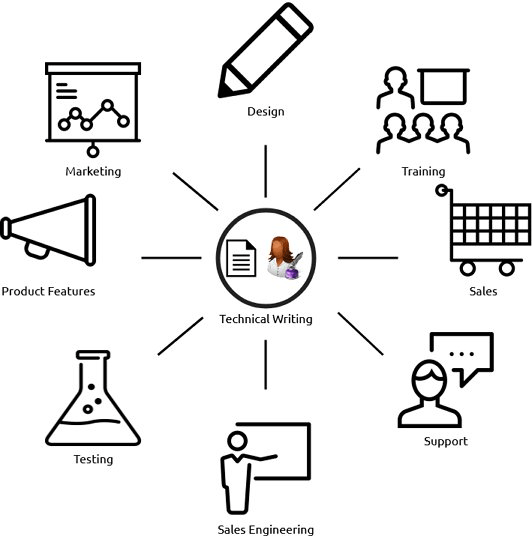
Irrespective of the sector it belongs to, Technical Writing demand will never reduce. Communication is the key-most thing- whether it is between business partners, shareholders, and employees. But the problem lies in the fact that everybody won’t be able to read or interpret the information you are conveying. That’s why you require good technical writers. These authors will assist you in breaking down all the technical details so that everyone can comprehend it easily. Also, though the name is technical writer, it does not mean that they are employed only in the technical sector. You will come across them anywhere because written communication is increasing day by day.
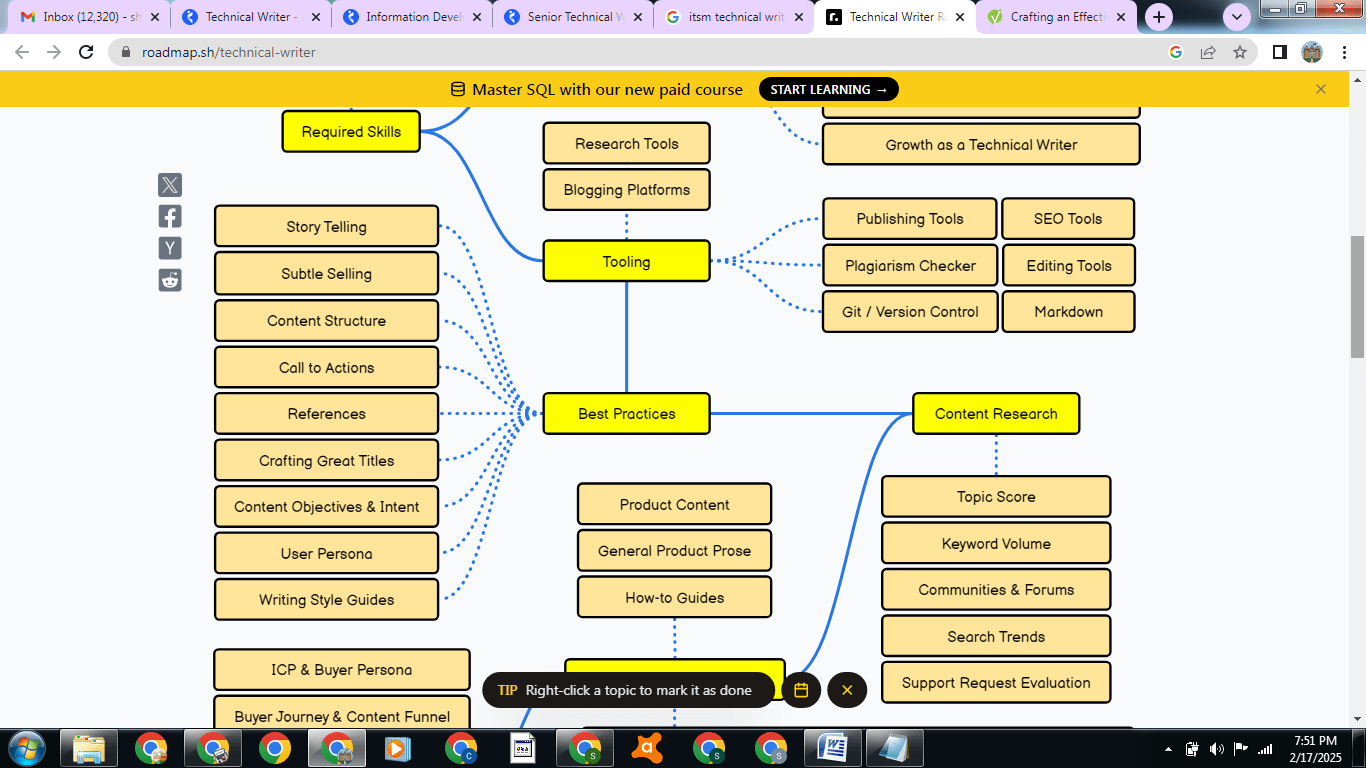
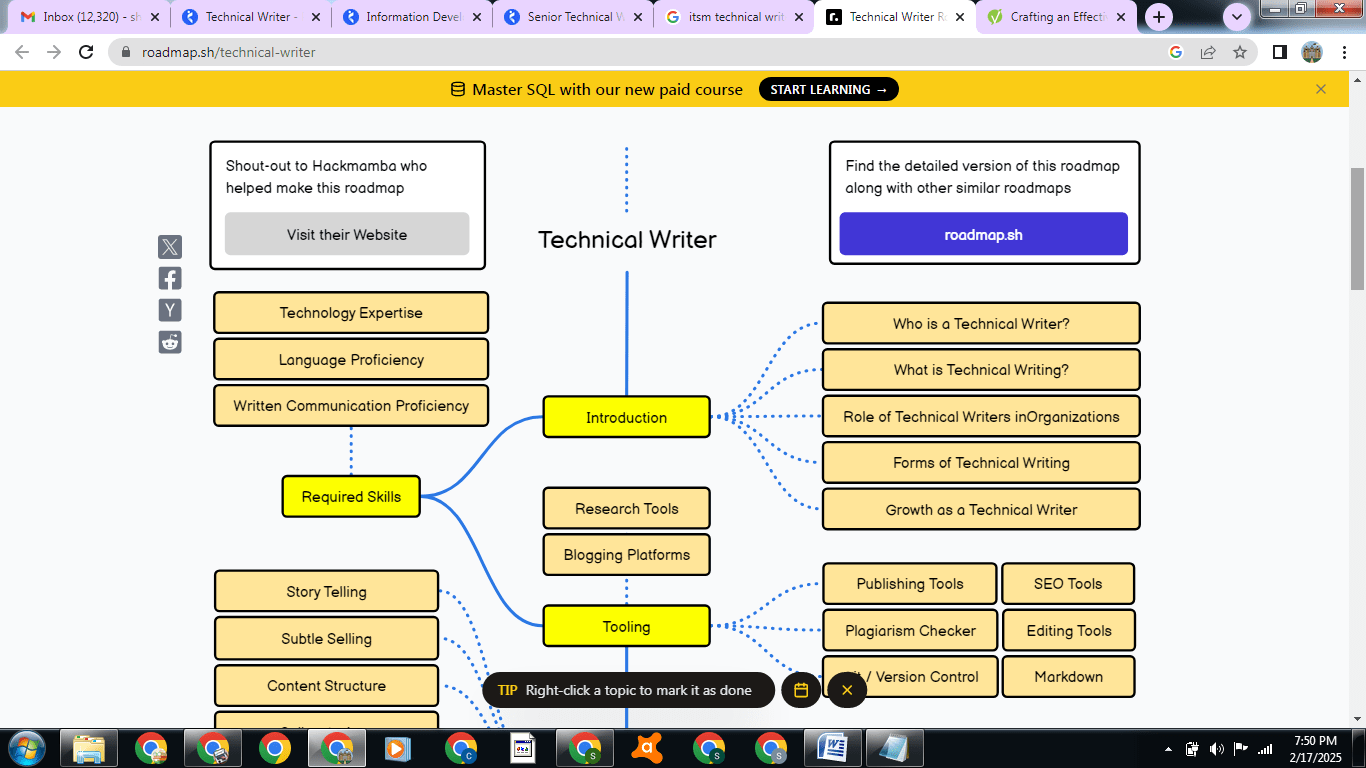
ITSM Technical Writer Career Roadmap
Since you already have 7 years of experience in technical writing and expertise in ITSM, DITA, CCMS, and API documentation, you’re well-positioned to advance further in your career. Here’s a structured roadmap for growth in ITSM technical writing:
1. Foundation (0-3 Years) – Entry-Level ITSM Technical Writer
Key Skills to Develop:
✅ ITSM Fundamentals (ITIL basics, Incident/Change/Problem Management)
✅ Technical Writing Basics (DITA, MadCap Flare, FrameMaker, Oxygen XML Editor)
✅ SaaS & ITSM Tools (ServiceNow, BMC Helix, Jira Service Management)
✅ Basic API Documentation (Swagger, Postman, OpenAPI)
Certifications & Learning:
ITIL 4 Foundation (for ITSM fundamentals)
Technical Writing Certifications (Google Tech Writing Course, STC Certifications)
Job Roles & Responsibilities:
- Creating end-user guides, knowledge bases, and release notes for ITSM tools
- Writing help documentation for ITSM workflows and integrations
- Collaborating with SMEs to document IT processes.
2. Mid-Level (3-7 Years) – Senior ITSM Technical Writer
Key Skills to Develop:
✅ Advanced ITIL Knowledge (ITIL Practitioner, Change Enablement, Service Design)
✅ DITA & Structured Authoring (IXIASOFT, Heretto, or Astoria CCMS)
✅ API & Developer Documentation (GraphQL, REST APIs, Postman)
✅ ITSM Tool Customization Documentation (ServiceNow scripting, Jira integrations)
Certifications & Learning:
- ITIL 4 Managing Professional (for ITSM process expertise)
- Advanced DITA/CCMS Training (IXIASOFT, Paligo, Heretto)
- API Documentation Training (REST API design, OpenAPI standards)
Job Roles & Responsibilities:
- Creating developer documentation for ITSM tools (ServiceNow APIs, BMC plugins)
- Writing ITSM implementation and best practices guides
- Leading content strategy for ITSM documentation teams
- Automating documentation workflows using DITA-OT and plugins
3. Advanced (7+ Years) – Lead/Principal ITSM Technical Writer
Key Skills to Develop:
✅ ITSM Automation & AI (Chatbots, AI-powered knowledge management)
✅ ITIL 4 Strategic Leadership (Enterprise ITSM strategy, business alignment)
✅ Documentation Automation & API Integration (DITA-OT plugins, CCMS automation)
✅ UX Writing & Content Design (Microcopy for ITSM portals, UI content)
Certifications & Learning:
- ITIL 4 Strategic Leader (for ITSM leadership roles)
- UX Writing & Content Strategy (Nielsen Norman Group, UX Writing Hub)
- Technical Content Management (Headless CMS, advanced CCMS strategies)
Job Roles & Responsibilities:
- Leading ITSM documentation teams and defining content strategies
- Designing AI-driven self-service documentation (AI chatbots, NLP-powered knowledge bases)
- Implementing advanced DITA/CCMS automation for ITSM documentation
- Working closely with ITSM product teams to improve documentation usability
4. Leadership & Beyond (10+ Years) – ITSM Documentation Manager / Content Strategist
Key Career Paths:
🚀 Documentation Manager: Leading ITSM documentation teams for large enterprises
🚀 ITSM Content Strategist: Defining knowledge management and self-service content strategies
🚀 API Documentation Lead: Specializing in developer docs for ITSM integrations
🚀 Consultant / Trainer: Providing ITSM documentation consulting and training
Final Steps to Growth:
- Gain experience in knowledge management & AI-powered documentation
- Build expertise in content operations (ContentOps) & automation
- Lead cross-functional initiatives in ITSM knowledge sharing & governance
Where You Are Now & Next Steps
Since you’re at the Senior ITSM Technical Writer level, your next step could be specializing in ITSM automation, API documentation, or moving into a documentation leadership role.
Next Steps for You
Since you already have API documentation, DITA, and ITSM experience, you could focus on:
- Learning GCP fundamentals (IAM, networking, compute, storage, logging).
- Practicing API documentation using OpenAPI and Terraform guides.
- Contributing to open-source GCP projects/documentation on GitHub.